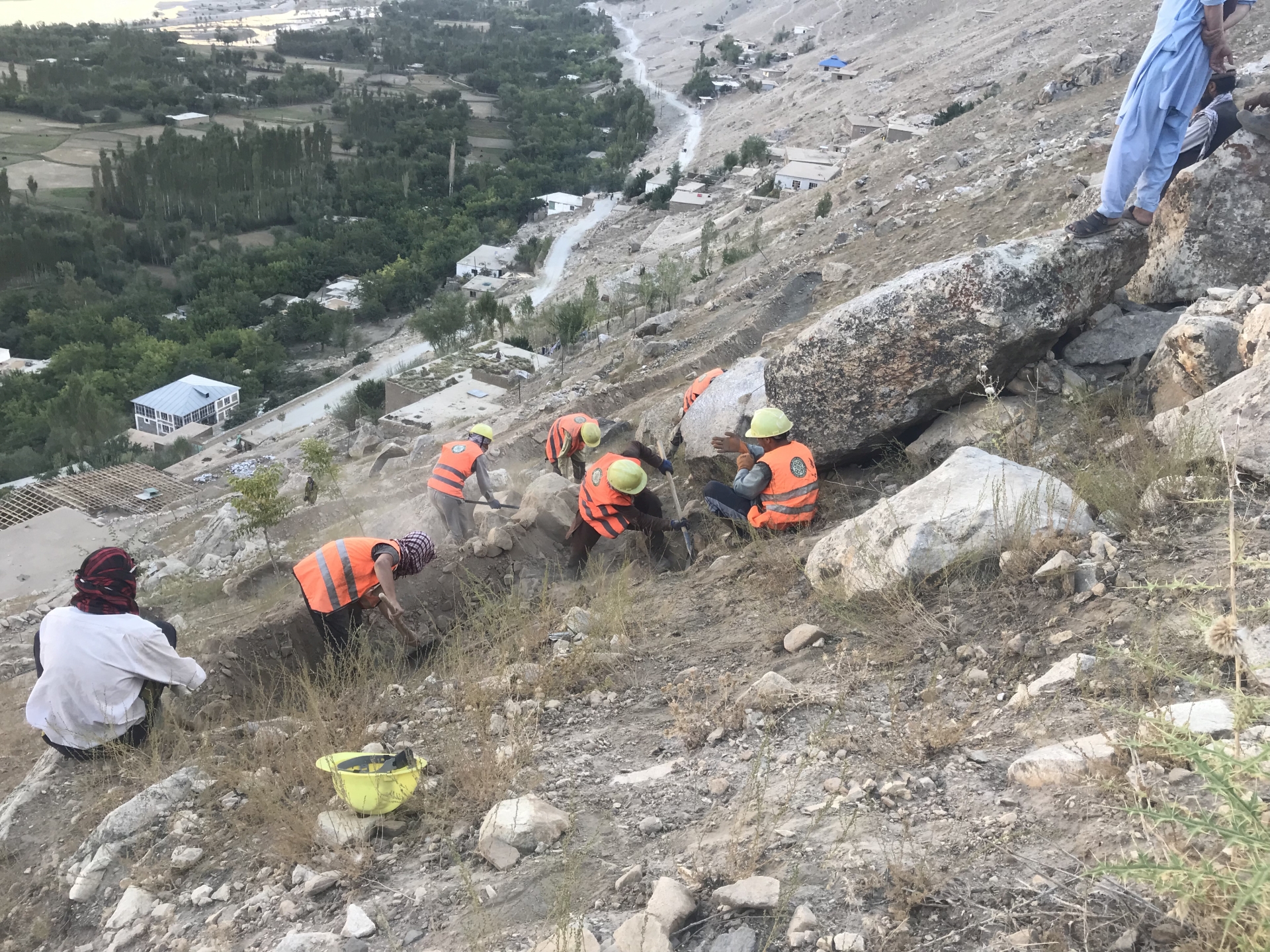

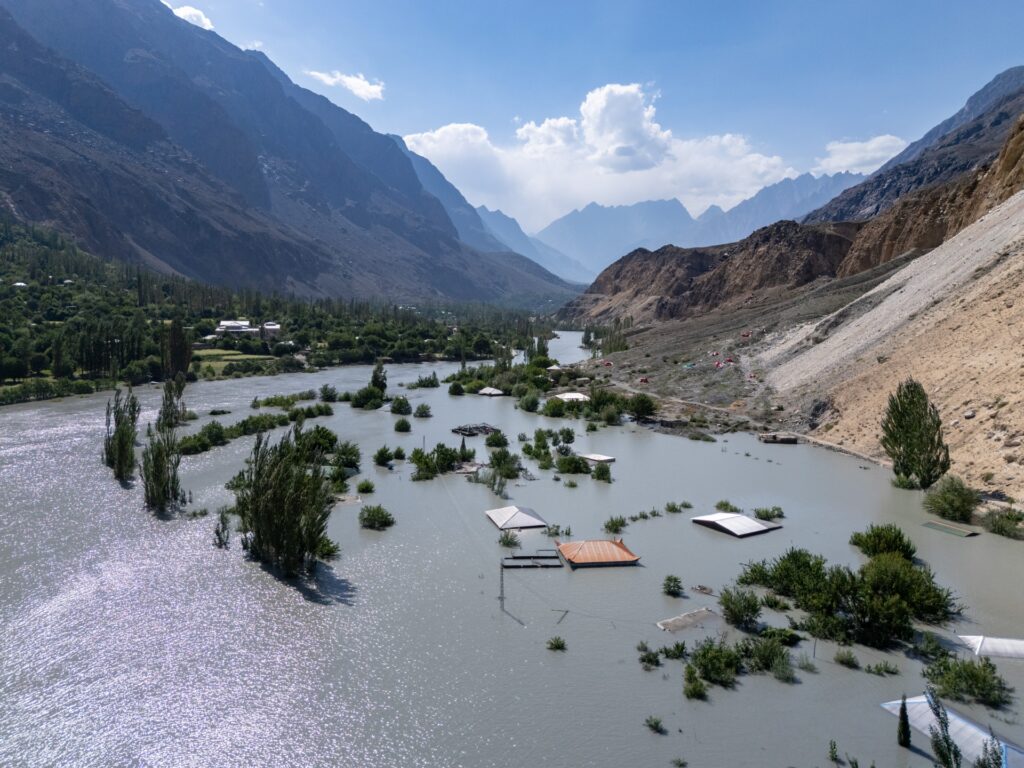
An aerial view of Talidass Village and the results of a glacier lake outburst flood (GLOF) in August 2025.
Pakistan’s northern highlands are among the most disaster-prone places on earth. In Gilgit-Baltistan and Chitral, earthquakes can split valley floors without warning, and monsoon rains can trigger landslides overnight. The region is also vulnerable to glacial lake outburst floods, known as GLOFs. These happen when a massive glacier sitting atop a mountain melts rapidly, sending floods and debris surging down through narrow valleys with terrifying speed. Between 2024 and 2026 alone, roughly 185 disasters were recorded across the region, displacing more than 5,000 people and destroying more than 600 homes.
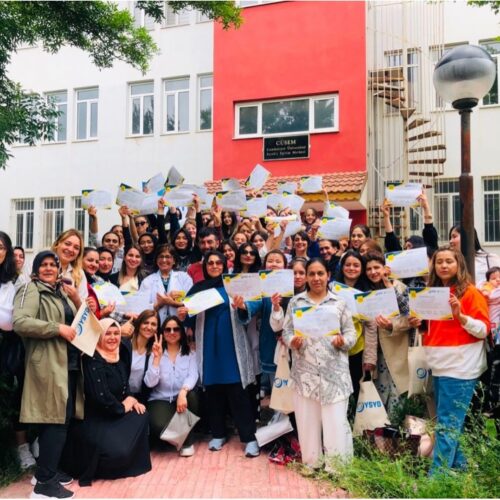
For over three decades, FOCUS has been investing in the one thing that matters most in a disaster: the preparation that happens long before it strikes. Across the northern areas, FOCUS in Pakistan has trained more than 40,000 volunteers in disaster response, established 348 community emergency stockpiles, and installed 20 early warning systems in critical hazard zones. At the heart of this work are Community Emergency Response Teams (CERTs) who know every path in the valley and every household that will need help.
When the Glaciers Burst in Ghizer
When a GLOF struck the valleys of Talidass, Roushan, and Hakis on 22 August 2025, that preparation made an immediate difference. Shepherds working high in the mountains were the first to spot the telltale signs of an impending flood. Drawing on their training, they immediately alerted the CERTs in the villages below. Volunteers, already pre-positioned with their equipment, moved quickly, issuing warnings and helping families move their belongings before the floodwater arrived.
When roads washed away entirely, AKDN helicopters completed 56 emergency airlifts over 28 hours, evacuating 171 people and delivering food and medicine to villages beyond any road access. Tents, water, sanitation, and dignity kits followed. Ali Murad, a resident who lost his own home that day, reflected on the training his community had received months before from the CERTs:
“At that time, some of us did not fully realize how crucial those [preparedness] lessons would become. But during the emergency, that knowledge turned into lifesaving action.”
This work was made possible through generous FOCUS donors as well as sustained partnerships with Global Affairs Canada, the European Union, Concern Worldwide, and various UN agencies. Together, these relationships allow FOCUS to remain present not just in the moment of crisis, but in the years of preparation that determine whether communities survive it.
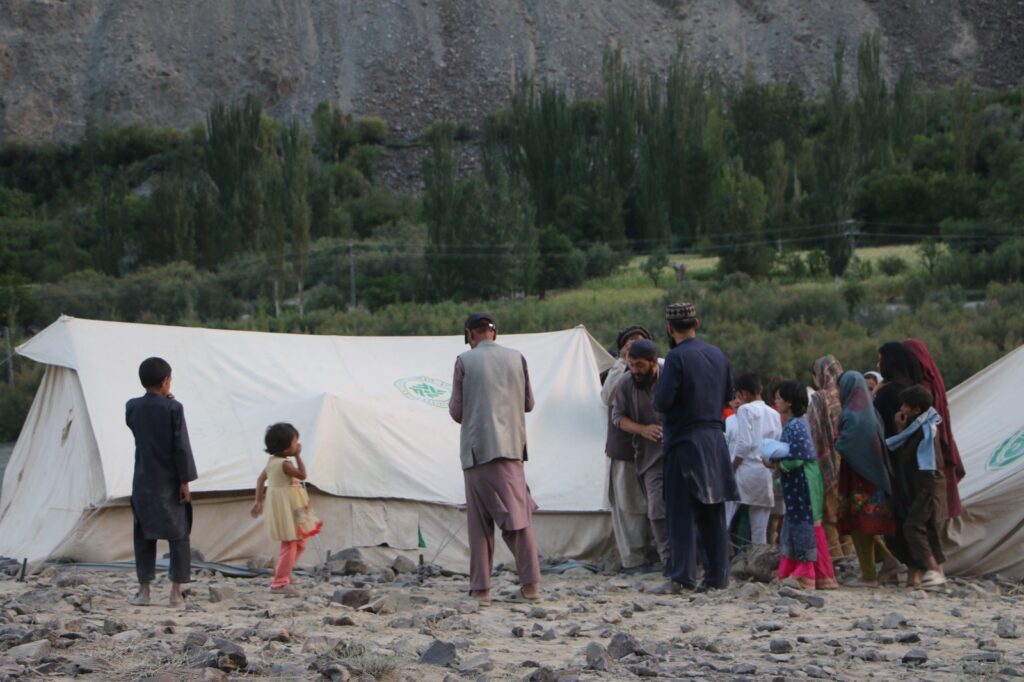
Displaced families in emergency tent housing following the January 2026 earthquake, Hunza.
The mountains of northern Pakistan are not getting safer. But the people who live among them are growing more prepared. And thankfully, they are not facing it alone.
To support FOCUS’s emergency preparedness and disaster response work, visit www.focus-usa.org/donate.